The shutdown allows maintenance that cannot fit into the terminal’s weekly 12-hour maintenance windows. At a facility handling more than 50 million tonnes annually, the planned interventions are intended to improve long-term reliability and equipment performance while reducing operational risk.
Dust management is also part of the programme. The new ship-loader misting system is intended to suppress emissions during loading, supporting the terminal’s stated air-quality and environmental-compliance commitments. Further capital projects to reduce emissions are planned over the next two financial years.
- The annual maintenance shutdown runs for 16 days, from 6 to 21 October 2026.
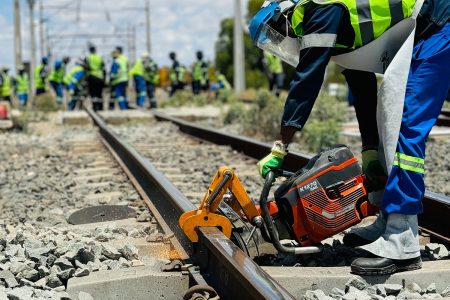
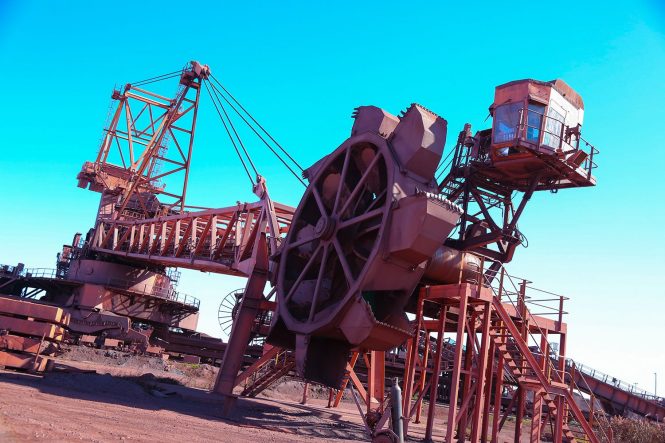
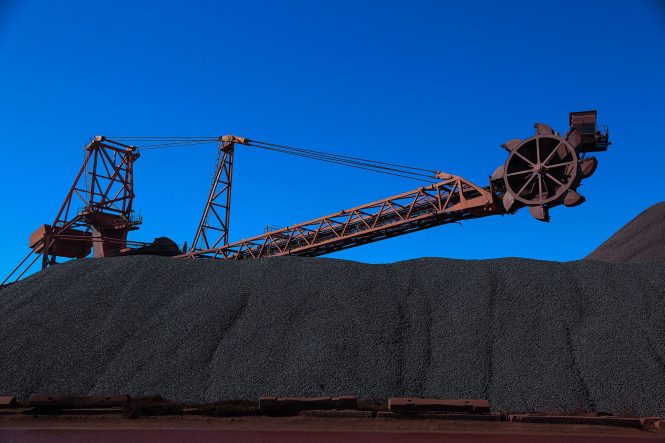
- The programme includes repairs to two rail tipplers and maintenance of ship loaders and the stacker-reclaimer bucket wheel structure.
- A new misting system will be installed at the ship loaders to suppress dust emissions.
- Testing and optimisation of the new third tippler are nearing completion as commissioning progresses.
- The third tippler forms part of the recently completed R4 billion Saldanha Infrastructure Project.
- The terminal handles more than 50 million tonnes of iron ore annually.
The Saldanha Iron Ore Terminal (IOT) has commenced its annual maintenance shutdown, which will run for 16 days from 6 to 21 October 2026.
As part of Transnet's Reinvent for Growth strategy, the maintenance shutdown at the terminal, which recently celebrated 50 years of operations, will focus on infrastructure upgrades, dust management systems, and the refurbishment of key mechanical and electrical components across the terminal's cargo-handling equipment.
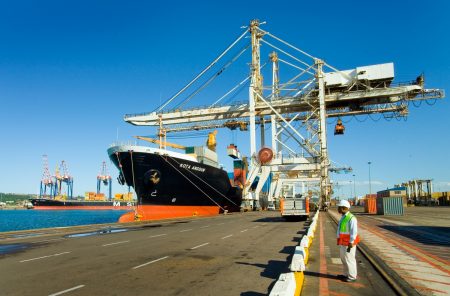
According to Terminal Manager Warren Kramer, one of the key upgrades will be the installation of a new misting system at the ship loaders to further suppress dust emissions during loading operations. "These improvements form part of the terminal's ongoing commitment to enhancing air quality and maintaining compliance with environmental standards," said Kramer.
All key stakeholders, including customers, have been consulted on the shutdown, which provides an opportunity to undertake critical maintenance activities that cannot be accommodated during the terminal's weekly 12-hour maintenance windows.
As Africa's largest iron ore export facility and South Africa's only dedicated iron ore export terminal, handling more than 50 million tonnes annually, the IOT plays a critical role in the country's export economy. Planned maintenance interventions are essential to enhancing long-term reliability, reducing operational risk and improving equipment performance.
Given the terminal's extensive reliance on conveyor belt systems, this year's maintenance programme will focus on component replacements, civil works, repairs to two rail tipplers, and maintenance of ship loaders and the stacker-reclaimer bucket wheel structure. Kramer said commissioning of the terminal's new third tippler is progressing well, with testing and optimisation activities nearing completion as the facility moves closer to full operational readiness.
The new tippler forms part of the recently completed R4 billion Saldanha Infrastructure Project, which introduced modern equipment and technologies designed to support sustainable cargo-handling operations. Key upgrades delivered through the project include advanced wet and dry dust extraction systems, as well as enhanced emissions-suppression technology at the rail tipplers.
Since commencing operations in September 1976, the Saldanha Iron Ore Terminal has exported more than 1.4 billion tonnes of iron ore, making a significant contribution to South Africa's export economy and strengthening the country's position in global iron ore markets.
Additional capital projects aimed at further reducing emissions are planned over the next two financial years.