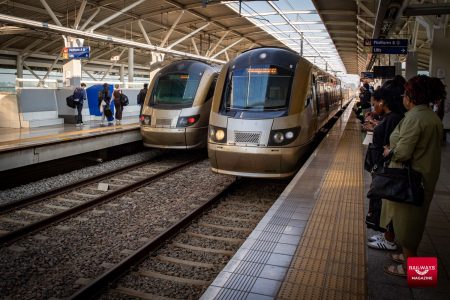
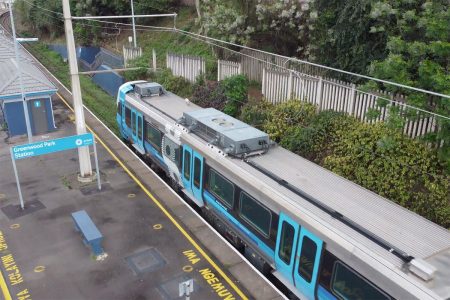
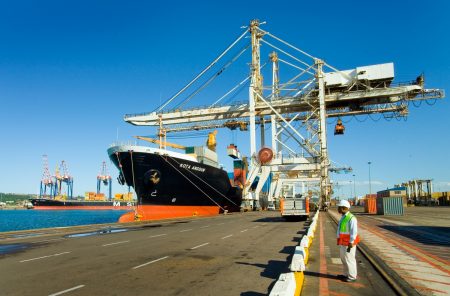
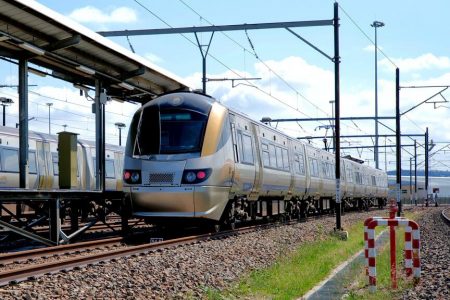
South Africa’s rail reform programme is moving from policy into implementation across several fronts at once. Public infrastructure investment is under way, eleven private train operating companies have been approved to access the national network, further freight and port investment opportunities are being taken to market, and PRASA continues to restore passenger services.
The scale of the challenge remains substantial. Transnet moved 167.9 million tonnes of rail freight in 2025/26 against a target of 180.6 million tonnes, while government is targeting 250 million tonnes annually by the end of the political term. The next phase will depend on whether infrastructure investment, network access and operating reform translate into sustained increases in rail volumes and service reliability.
- Transport Minister Barbara Creecy said on 1 October 2026 that R16.8 billion in public investment has been approved across South Africa’s coal and iron ore railway lines and port infrastructure.
- The R16.8 billion was approved through the Budget Facility for Infrastructure and is in execution, with applications for a further R23.6 billion being developed.
- Transnet carried about 167.9 million tonnes of rail freight in 2025/26 against a target of 180.6 million tonnes, and the government’s goal is 250 million tonnes a year on the Transnet network by the end of the political term.
- The Department of Transport approved eleven private train operating companies in March to use the state-owned national railway network, with operations due to begin in April 2027.
- Cabinet supported the separation of the Transnet Ports Authority as a stand-alone company owned by the state in the week before the address.
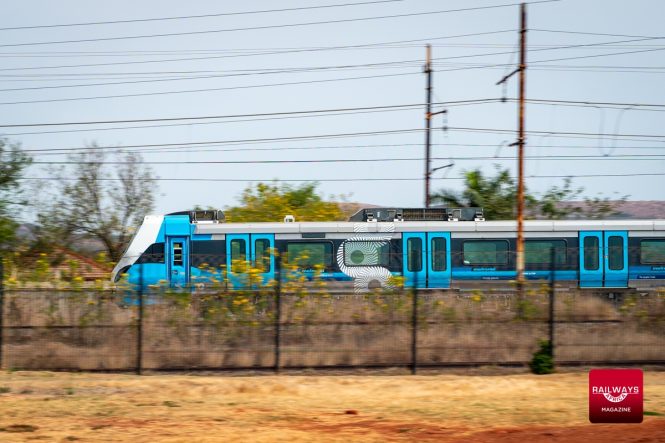
- Passenger Rail Agency of South Africa (PRASA) passenger trips rose from 10 million in 2020/21 to an audited 101 million in 2025/26, and 35 of the 40 priority passenger-rail lines have been recovered over the past two years.
South Africa has approved R16.8 billion in public investment across its coal and iron ore railway lines and port infrastructure, with applications for a further R23.6 billion being developed, Transport Minister Barbara Creecy said at the launch of October Transport Month on 1 October 2026.
Creecy reported that the approved investment, funded through the Budget Facility for Infrastructure, was already being implemented. Her address covered freight rail reform, infrastructure investment and passenger rail recovery, alongside Cabinet’s support for separating TNPA from Transnet.
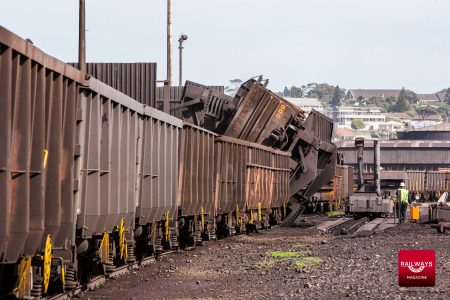
Transnet carried about 167.9 million tonnes of rail freight in 2025/26, against a target of 180.6 million tonnes. The government’s goal is to reach 250 million tonnes a year on the Transnet network by the end of the political term.
“Increasing rail tonnage requires both significant state and private sector investment in rail infrastructure,” Creecy said.
Private investment in rail and port infrastructure is being pursued through projects currently in the market for the Ngqura Manganese Export Corridor and Richards Bay Dry Bulk Terminal. Creecy said the container corridor between Gauteng and Durban would follow later this year.
The Department of Transport approved eleven private train operating companies in March to use the state-owned national railway network. Their operations are due to begin in April 2027.
In July, the Transnet Rail Infrastructure Manager published a second Network Statement, which Creecy said provided the certainty needed for the operators to secure rolling stock, staff and capital.
She said the 2022 White Paper on National Rail Policy and the 2023 National Freight Logistics Roadmap were delivering results. The Draft National Rail Master Plan, approved for public comment earlier this year, outlines a vision for an interoperable, regulated and well-maintained state-owned railway network forming the backbone of an integrated passenger and freight transport system.
Cabinet supported TNPA’s separation as a stand-alone, state-owned company in the week preceding the address. Creecy said the separation would be guided by fair compensation for Transnet, based on an independent valuation of TNPA, long-term financial sustainability and an equitable allocation of liabilities between Transnet and TNPA.
The principles also include protecting workers, jobs and customers, preserving strategic state ownership and control of national port infrastructure, and improving the investment capacity and infrastructure development of both entities. Creecy said separation would bring TNPA into line with the National Ports Act and allow it to use its revenue to invest in port infrastructure and equipment.
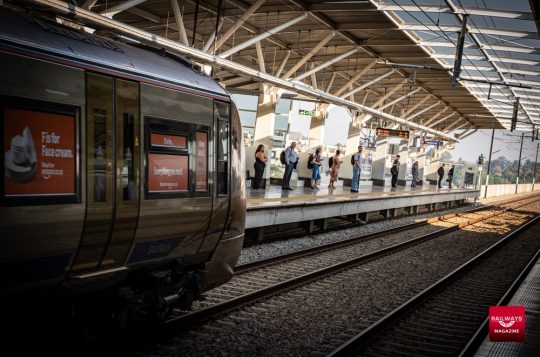
On passenger rail, 35 of the 40 priority lines have been recovered over the past two years, including, most recently, part of the Midway to Lenz route. PRASA passenger trips rose from 10 million in 2020/21 to an audited 101 million in the 2025/26 financial year.
Creecy said a PRASA passenger paid, on average, between R12 and R15 for a return trip during peak hours, depending on the distance travelled.
“This year we will continue to refurbish track, signalling and stations to ensure we deliver more frequent, punctual services and with higher passenger volumes.”
The October Transport Month programme includes a visit to signalling rehabilitation on the Mabopane line on 15 October and the launch of the new station complex at KuGompo City later in the month.
Creecy also addressed the integration of passenger rail with road transport, saying the department was reforming the public transport grant system into a unified support model available to bus and taxi operators on selected routes. Consultation with affected parties continues, guided by integration, sustainability, fairness, safety and commuter affordability.