The €10 million agreement moves the proposed Dakar–Thiès TER extension into a defined project-preparation phase. The studies will establish the technical scope, economic case, social implications and environmental requirements that will determine how the extension can proceed.
Extending the TER to Thiès would expand its role beyond the Dakar metropolitan and airport corridor, creating a stronger passenger rail connection between the capital and another major development centre. The agreement does not finance construction, but it provides the evidence and planning foundation required before further funding and implementation decisions can be made.
- The Memorandum of Understanding was signed on 24 July 2026.
- The agreement provides €10 million for preliminary project studies.
- Funding is being mobilised by AFD and the European Union.
- The proposed extension would connect the Dakar TER with Thiès.
- The studies will cover technical, economic, social and environmental requirements.
- The agreement funds project preparation rather than construction.
- The signatories include Senegal’s Ministry of Land and Air Transport, SENTER SA, AFD and the European Union.
- The project forms part of the National Transformation Agenda – Senegal 2050.
- The extension is intended to strengthen mobility and connectivity between development centres.
Senegal has secured €10 million in funding from the French Development Agency and the European Union for preliminary studies supporting the planned extension of the Dakar Regional Express Train to Thiès.
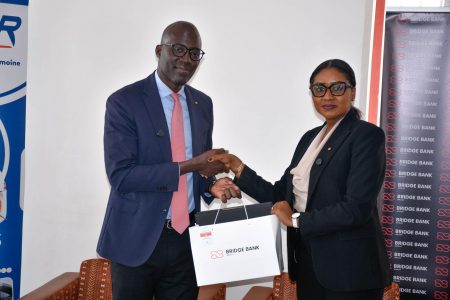
A Memorandum of Understanding covering the funding was signed on 24 July 2026 by Senegal’s Ministry of Land and Air Transport, SENTER SA, the French Development Agency (AFD) and the European Union.
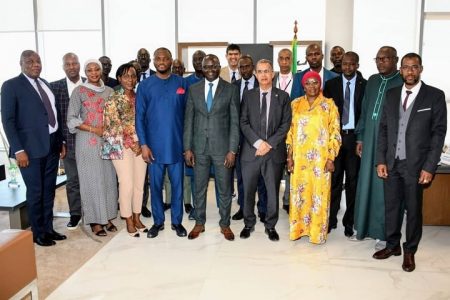
The signing ceremony was chaired by Minister of Land and Air Transport Abdoul Ahad Ndiaye and marked the next preparatory stage in the continued development of Senegal’s Regional Express Train, known by its French abbreviation TER.
The funding will be used to undertake the technical, economic, social and environmental studies required to prepare the proposed extension. The agreement relates to the project’s preliminary development work rather than financing for construction.
The planned extension would take the TER beyond its existing Dakar network to Thiès, strengthening rail connectivity between major development centres and improving mobility for communities along the route.
According to SENTER, the project is intended to support more inclusive and balanced economic growth while addressing the environmental requirements associated with the expansion of Senegal’s transport infrastructure.
The agreement also forms part of the government’s wider programme to modernise the national railway network under the National Transformation Agenda – Senegal 2050. President Bassirou Diomaye Diakhar Faye and Prime Minister Al Aminou Lo have identified railway development as one of the structural priorities supporting the country’s long-term economic and social transformation.
The MoU reflects a shared commitment by the Senegalese government, AFD and the European Union to develop modern, sustainable and resilient transport infrastructure. The partners are seeking to support a more integrated and efficient transport system capable of improving access between economic centres and strengthening territorial integration.
For SENTER, the study funding provides the technical foundation needed to define the project’s future scope and assess its economic, social and environmental viability before the extension advances to subsequent development stages.
The extension to Thiès would also broaden the strategic role of the TER within Senegal’s national transport system. Rather than operating solely as an urban and airport rail connection serving Dakar, the network would begin to provide stronger links between the capital and other important population and economic centres.
With the preliminary studies now funded, Senegal has taken another step towards extending the TER and developing a national railway system aligned with its mobility, economic development and territorial integration objectives.