The report puts Gauteng's passenger and freight rail priorities into one implementation plan for 2026–2030, from PRASA's corridor renewal and the Gautrain concession and Phase 1 extension to intermodal terminals and the Ukuvuselela automotive rail solution. It also sets out the planning steps the province intends to take first, including a consolidated demand-forecast review and a devolution feasibility study once the national strategy is published.
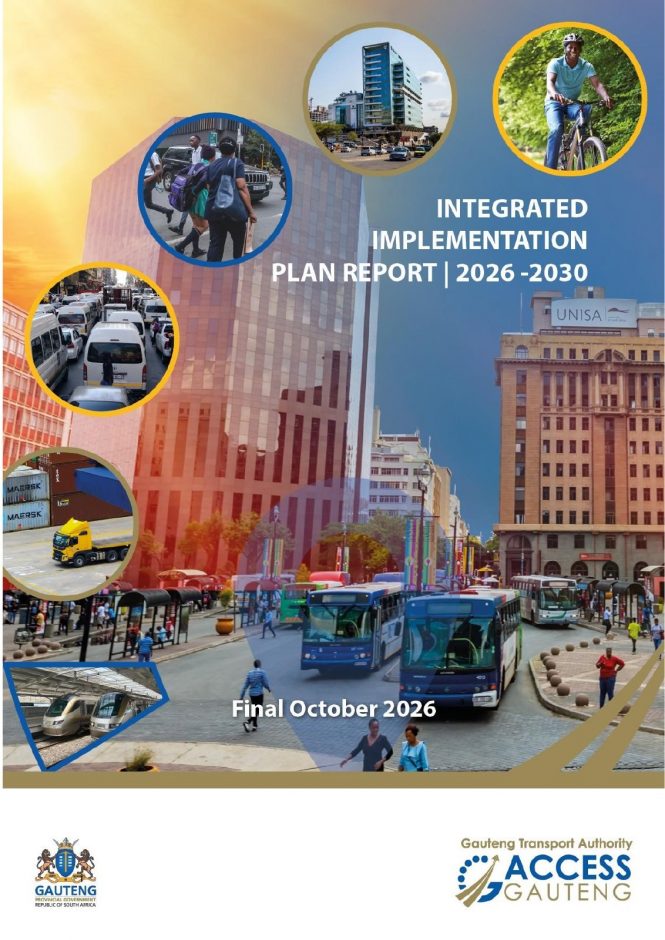
- Gauteng's Integrated Implementation Plan Report for 2026–2030 is marked Final October 2026.
- The commuter rail programme covers the Mabopane–Pretoria–Johannesburg, Pretoria–Pienaarspoort, Leralla–Germiston–Johannesburg and Naledi–Johannesburg corridors.
- The Gauteng Rapid Rail Integrated Network extension focuses on Phase 1 from Sandton through Randburg and Cosmo City to Little Falls.
- A feasibility study and possible business case for commuter rail devolution is recommended once the national devolution strategy is approved and published.
- The intermodal hubs named are Kaalfontein, Rosslyn, Pyramid South, Sentrarand, the Tshwane automotive special economic zone at Silverton and Tambo Springs.
- The Ukuvuselela entry includes capacity for three daily 50-wagon automotive trains between Gauteng and the Port of Port Elizabeth.
Gauteng’s Integrated Implementation Plan Report for 2026–2030 sets out commuter railway renewal, rapid-rail expansion and freight-terminal connections within a programme of transport integration. The report, marked Final October 2026, identifies the work required on existing corridors and the planning and authorisations needed for further development.
Its passenger-rail programme includes the Mabopane–Pretoria–Johannesburg, Pretoria–Pienaarspoort, Leralla–Germiston–Johannesburg and Naledi–Johannesburg corridors. The listed work covers overhead traction equipment, permanent-way renewal, station modernisation and security, signalling integration, integration with new Gibela electric multiple units and fencing of railway reserves.
The report places this work alongside proposals to integrate railway services with other public transport modes. It recommends that the Gauteng Transport Authority (TAG) commission a review of existing passenger-demand forecasts and studies, drawing on PRASA, the Gautrain Management Agency and the Gauteng Department of Roads and Transport. The proposed planning guideline would consider population and economic forecasts, land use, transit-oriented development and future commercial and industrial development.
Rapid Rail Planning and Approvals
For the Gauteng Rapid Rail Integrated Network, the report separates upgrades associated with the renewal of the existing concession from extensions to the network. The extension programme focuses on Phase 1 from Sandton through Randburg and Cosmo City to Little Falls. Obtaining public-private partnership authorisations, finalising the implementation model and developing the new concession are identified as next steps.
The report also recommends reassessing the alignment and timing of Gautrain network extensions through feasibility studies, using the passenger-demand forecasts prepared for the province’s transport master plan. Demand for commuter and rapid rail should be reconfirmed before projects are implemented.
Commuter Rail Devolution
The proposed devolution work is a feasibility study and possible business case, rather than a transfer of railway functions. The report recommends undertaking it once the national devolution strategy has been approved and published. It would examine governance, resources, skills, funding and implementation timelines with the affected metropolitan municipalities.
This assessment would have to account for commuter services crossing municipal boundaries and involve consultation with PRASA. The report also identifies assignment of management functions to provincial entities such as TAG or the Gautrain Management Agency as alternatives for consideration.
Freight Corridors and Terminals
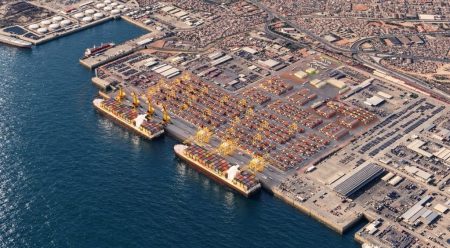
The freight programme calls for road-to-rail migration where the characteristics of the traffic, distance and service requirements suit rail. It identifies access to existing and planned intermodal hubs at Kaalfontein, Rosslyn, Pyramid South, Sentrarand, the Tshwane automotive special economic zone at Silverton and Tambo Springs.
The Transnet Rail Infrastructure Manager portfolio includes the Central Corridor Reinstatement Programme, covering vandalised lines, track, overhead traction equipment, signalling, substations, traction power and security interventions. Terminal proposals include Kaalfontein, Sentrarand and the Rosslyn inland port. The report leaves budgets for these terminal developments to be determined.
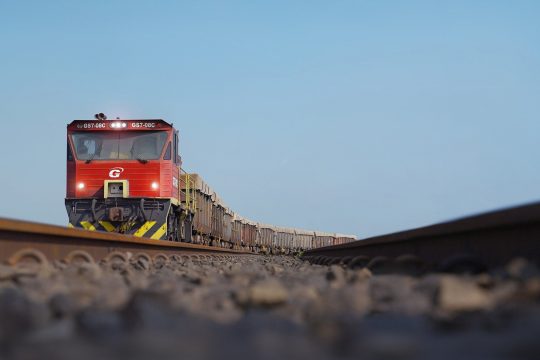
Its Ukuvuselela entry describes a proposed automotive logistics solution on the South Corridor between Gauteng and the Port of Port Elizabeth, including expanded capacity for three daily 50-wagon automotive trains.