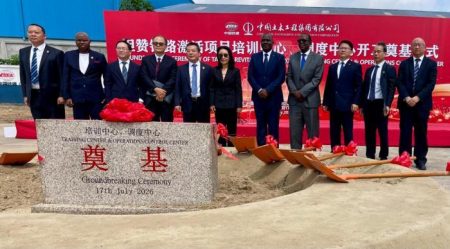
The Zambian government, in partnership with Western Corridor Limited, has embarked on a major public-private partnership (PPP) to upgrade the Mutanda-Kaoma road, a project poised to significantly enhance trade, mining, and agricultural activity across Zambia’s North-Western and Western Provinces.
The upgraded road is expected to facilitate the efficient transport of Zambia’s key exports, including copper, cobalt, nickel, manganese, and agricultural products such as honey. At the same time, the route will streamline the import of essential goods, including mining consumables, equipment, vehicles, building materials, and fuel products, through the strategic Atlantic port of Walvis Bay in Namibia.
Walvis Bay is increasingly seen as a vital alternative to traditional Southern African trade routes through South Africa and Tanzania. The port offers Zambian producers direct access to markets in Europe and the Americas, while the Mutanda-Kaoma road forms a key element of the Western Corridor Transformation Project, designed to establish the fastest route between Zambia’s western mining and agricultural regions and the Atlantic coast.
The road complements other regional infrastructure projects, including the Lobito Railway, without competing with them. Experts note that having multiple fully-developed Atlantic corridors via Namibia and Angola reduces the country’s exposure to congestion, political instability, or infrastructure disruptions at any single port, ensuring more reliable export routes for Zambian products.
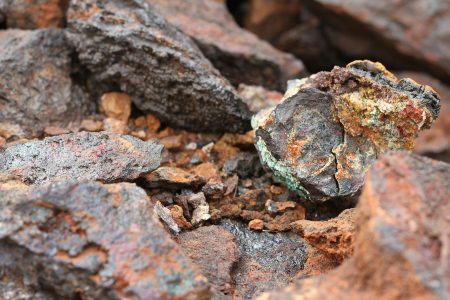
Key mining beneficiaries include the North-Western Province Copper Hub—often referred to as Zambia’s “new Copperbelt”—covering Mutanda, Kalumbila, Solwezi, and Lumwana, home to major mines operated by First Quantum Minerals and Barrick Gold. The road also supports copper flows from the main Copperbelt Province and facilitates transit of minerals from the Democratic Republic of Congo’s Katanga region.
Agricultural zones are set to benefit significantly as well. The road connects commercial farming hubs such as the Kalumwange Farm Block in Kaoma District and emerging agricultural areas around Kaoma and Mongu, enabling more efficient transport of crops, livestock, and value-added products like beef. Smallholder and commercial farmers in Kasempa, Mufumbwe, and other districts will gain improved access to markets for crops such as maize, cassava, soya beans, and honey.
The project promises to cut travel distances by approximately 400 kilometres compared to traditional Southern African routes. It will convert the current gravel alignment into an international-standard bituminous highway, creating the shortest physical route from Zambia’s Copperbelt and North-Western mining region to Walvis Bay.
While the immediate focus is on road infrastructure, the broader Western Corridor plan could eventually integrate rail networks, further boosting regional trade efficiency.
In addition to supporting mining and agriculture, the Mutanda-Kaoma corridor is expected to promote rural commerce, timber trade, and broader social development, bridging critical service gaps and laying the foundation for long-term economic growth in Zambia’s western regions.
Written by Chamwe Kaira for Railways Africa