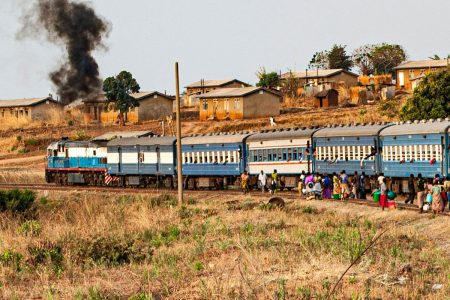
The Tanzania–Zambia Railway Authority (TAZARA) has announced the reorganisation and resumption of cross-border passenger train services between the United Republic of Tanzania and the Republic of Zambia, with effect from Tuesday, 10 February 2026.
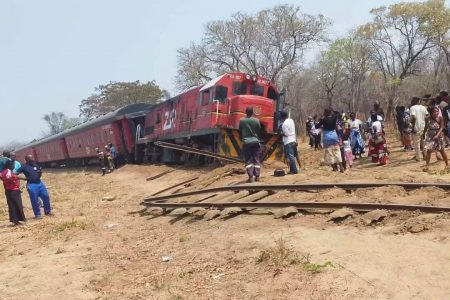
The resumption aims to restore seamless rail connectivity between the two countries following the suspension of cross-border passenger services in June 2024 due to technical and operational challenges. It will also reaffirm TAZARA’s founding mandate to promote regional mobility, trade, tourism, and people-to-people interaction.
Passenger Service Reorganisation
The resumption of cross-border passenger services forms part of a targeted reorganisation of passenger operations designed to ensure inclusivity, sustainability, and service reliability within current operating constraints.
As part of this reorganisation, passenger services between Dar es Salaam and New Kapiri Mposhi will be rationalised, with weekly trips adjusted from four (4) to two (2) only. This adjustment allows for the consolidation of coaches and locomotives to strengthen core passenger services, particularly the Mukuba and Udzungwa services, which will focus on cross-border and local shuttle operations, respectively.
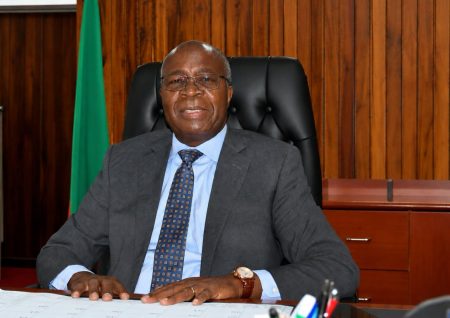
“This resumption is about restoring confidence in cross-border rail travel and in our brand identity through a more focused, reliable, and sustainable passenger service. The service will be further enhanced through the planned acquisition of new passenger coaches and locomotives dedicated to passenger operations. With the acquisition of new coaches, the number of train journeys between Tanzania and Zambia will be increased to achieve an optimal level of customer experience,” said Eng. Bruno Ching’andu, Managing Director and Chief Executive Officer of TAZARA.
Service Priorities
The reorganisation prioritises:
- The Mukuba service, serving local and international travellers between Dar es Salaam and New Kapiri Mposhi; and
- The Udzungwa service, serving local travellers between Kilombero and Makambako, in Tanzania.
This approach improves reliability, optimises the utilisation of limited rolling stock, and ensures more consistent passenger service delivery across the network.
“The adjustment in service frequency reflects the realities of operating an ageing fleet undergoing phased rehabilitation. Our priority is to deploy available coaches and locomotives where they deliver the greatest public benefit, while maintaining safety, affordability, and operational reliability,” Eng. Ching’andu added.
Service Pattern and Frequency
The unified cross-border passenger service will operate as a combination of Express and Ordinary services, designed to respond to varying passenger demand along the corridor.
Cross-Border Passenger Services (Mukuba Service)
- From New Kapiri Mposhi, Zambia to Dar es Salaam, Tanzania: Departures every Tuesday at 14:00 CAT
- From Dar es Salaam, Tanzania to New Kapiri Mposhi, Zambia: Departures every Friday at 15:50 EAT
The Mukuba service will operate as follows in both directions:
- Ordinary service on the Kasama–Nakonde and Msolwa–Dar es Salaam sections
- Express service between New Kapiri Mposhi–Kasama and Nakonde–Msolwa sections
These service arrangements respond to high passenger demand, particularly in sections where parallel road infrastructure is limited or unavailable.
Udzungwa Service
The Udzungwa service will continue operating two (2) ordinary service trips per week between Kidatu and Makambako, ensuring that communities in the Morogoro and Njombe regions remain adequately served.
Looking Ahead
The Managing Director reaffirmed TAZARA’s commitment to restoring safe, reliable, affordable, and region-connecting passenger rail services as part of its broader transformation and revitalisation agenda, in line with its original mandate and brand identity.
“TAZARA was established to connect people, markets, and economies. The restored cross-border passenger service supports regional trade, tourism, and people-to-people movement, while reaffirming our founding mandate as we mark 50 years of operations,” said Eng. Ching’andu.