This content is for Premium Subscribers only. To view this content, login below or subscribe as a Premium Subscriber.
Related News Articles
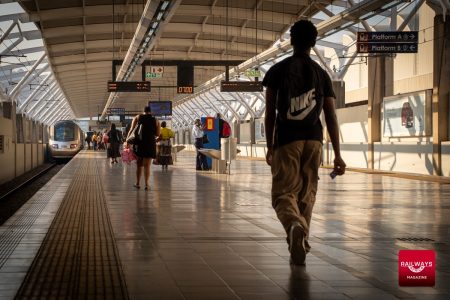
Standard Bank Underwrites Gautrain Debt Package Supporting R9 Billion in Investment
14 October 2026
SADC, South Africa
3 min
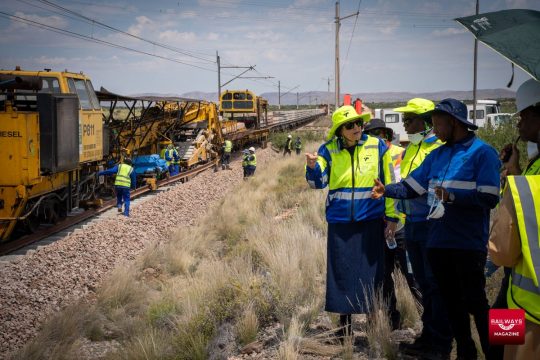
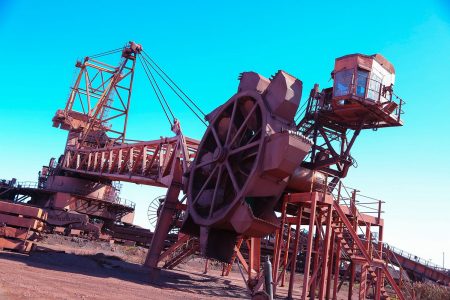
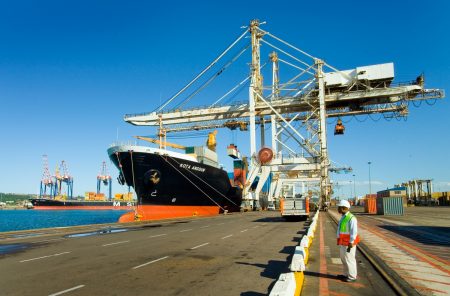
Africa's Largest Iron Ore Export Facility Begins Annual Maintenance Programme
07 October 2026
SADC, South Africa
2 min
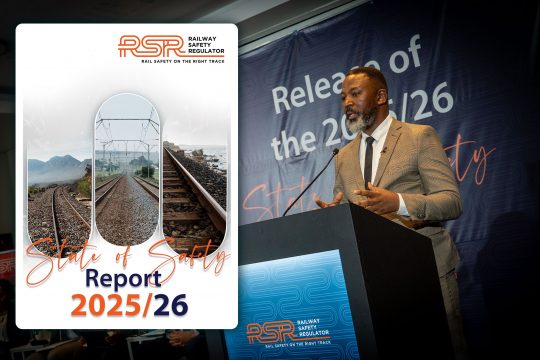
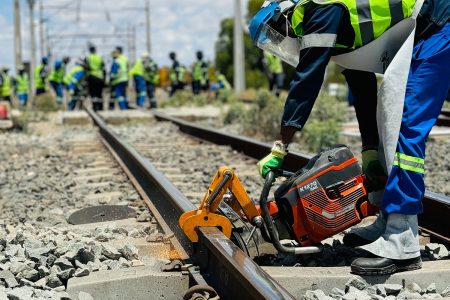
Transnet Rail Infrastructure Manager Granted Three-Year Railway Safety Permit
07 October 2026
SADC, South Africa
2 min
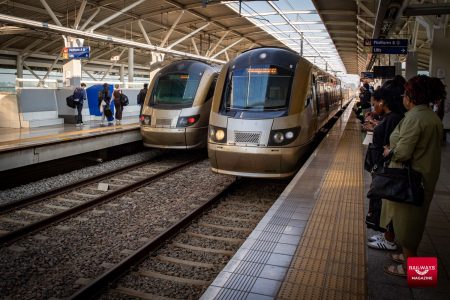
Sihamba Sonke Mobility Reaches Financial Close on 15-Year Gautrain Concession
07 October 2026
SADC, South Africa
2 min
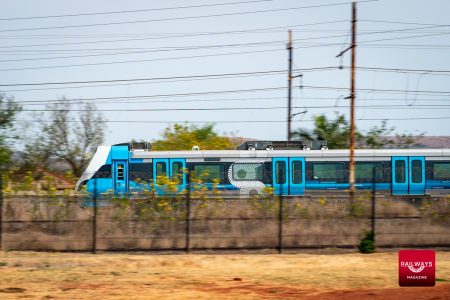
Rail Reform and Recovery Feature in South Africa’s October Transport Month Programme
07 October 2026
SADC, South Africa
4 min
GPT South Africa Wins R660 Million Transnet Sleeper Contract
07 October 2026
SADC, South Africa
1 min
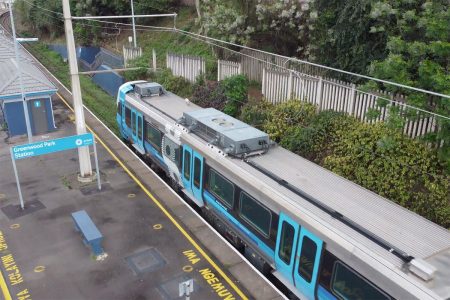
PRASA Advances R2 Billion Umlazi Corridor Rehabilitation and Durban Signalling Works
02 October 2026
SADC, South Africa
1 min
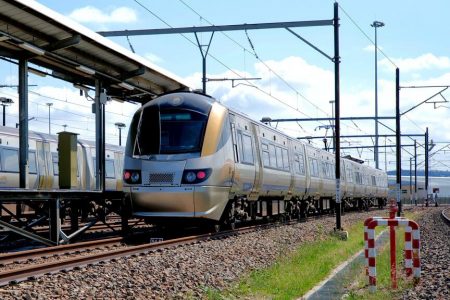
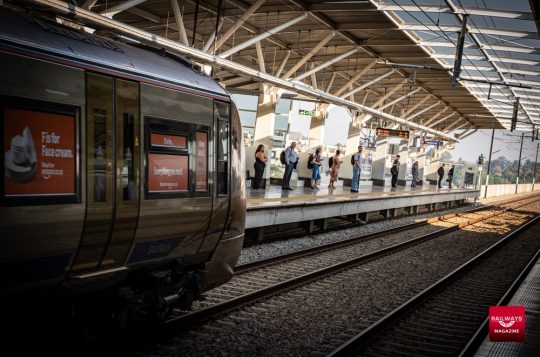
RATP Dev to Continue Operating Gautrain under New 15-Year Concession
30 September 2026
SADC, South Africa
3 min
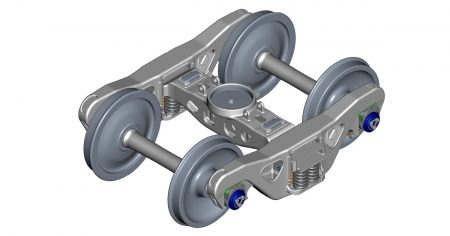
Transnet Confirms AR-811 Bogie Running Dynamics Approval Remains Valid Under TRIM
29 September 2026
SADC, South Africa
3 min

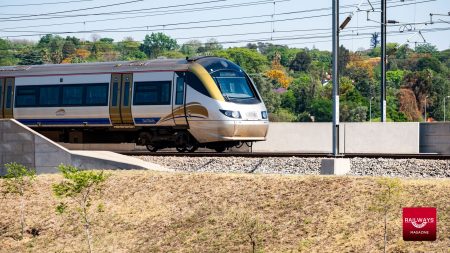
Gauteng Concludes Negotiations for New Gautrain Concessionaire
25 September 2026
SADC, South Africa
1 min
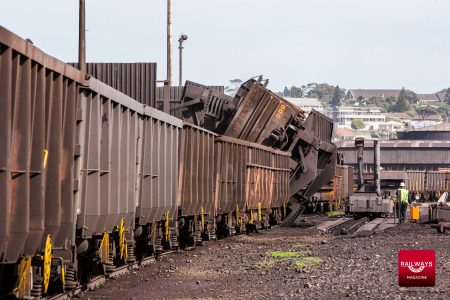
Transnet Issues RFQ for Strategic Partner in Ngqura Manganese Export Corridor Project
25 September 2026
SADC, South Africa
2 min
RINA Tech and Mace Group Win Transnet Solar PV Feasibility Consultancy
25 September 2026
SADC, South Africa
1 min

Transnet Rail Infrastructure Manager Publishes Final Network Statement Version 4
21 September 2026
SADC, South Africa
1 min