Why it Matters
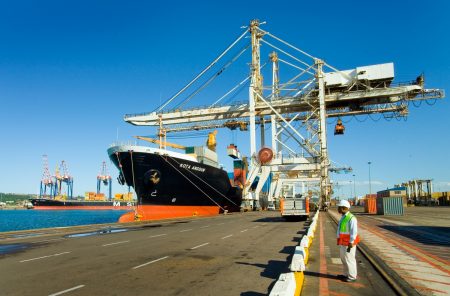
The Saldanha Iron Ore Terminal handles approximately 96% of South Africa’s iron ore exports, making the commissioning of the new tippler a strategically important milestone for the country’s bulk export logistics system. The project supports Transnet’s wider programme to replace ageing terminal equipment and strengthen export capacity.
The investment also carries direct rail relevance, as the new tippler is used to empty iron ore rail wagons and forms part of a broader infrastructure package that includes heavy-haul rail works, a 1.7-kilometre conveyor system, power infrastructure and terminal integration systems. With the terminal marking 50 years of operation in 2026, the upgrade positions the Saldanha export corridor for continued mining-sector support.
- Transnet has started testing and commissioning a new tippler at the Saldanha Iron Ore Terminal, Africa’s largest iron ore export facility.
- The tippler forms part of a R4 billion infrastructure expansion project under Transnet’s Reinvent for Growth strategy.
- The project includes supporting infrastructure such as a new Eskom substation, a 1.7-kilometre conveyor system, heavy-haul rail infrastructure, road bridges, conveyor tunnels, gantry cranes, dust management systems, high-mast lighting, fibre-optic and control system integration, and associated power infrastructure.
- The terminal celebrates 50 years of operation in 2026, having exported its first shipment of iron ore in 1976.
- Saldanha Iron Ore Terminal handles approximately 96% of South Africa’s iron ore exports.
- Estimated throughput over the terminal’s 50 years of operation stands at 1.3 billion tons of iron ore exports.
- The project achieved an estimated 45% local content contribution across various work packages.
- Around 1,500 jobs were supported during peak construction.
- Commissioning is expected to conclude within the next two months.
- The new tippler is expected to be handed over to operations in September 2026.
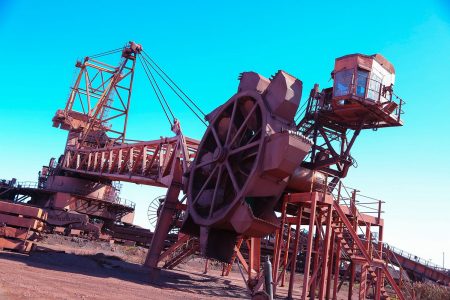
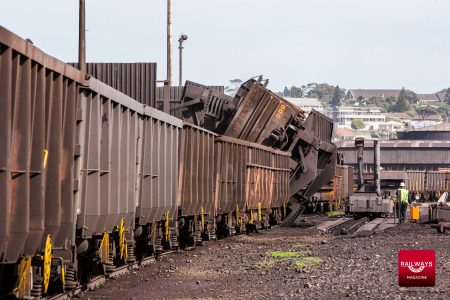
The Saldanha Iron Ore Terminal, which is considered Africa’s largest iron ore export facility, has completed its infrastructure expansion project, which includes the installation of a new tippler – a heavy-duty industrial machine used to empty rail wagons. Testing and commissioning activities began this past week.
This capital investment of R4 billion forms part of Transnet’s Reinvent for Growth strategy, which includes the replacement of ageing equipment and infrastructure across its port terminals to increase export capacity and enable growth. Acquiring the new tippler extended beyond the construction of the tippler itself and included a range of supporting infrastructure required to integrate the facility into the terminal’s operation.
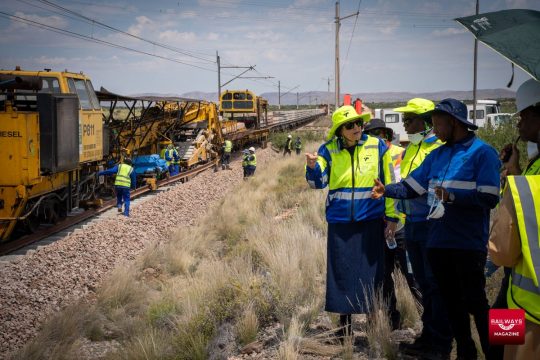
This included a new Eskom substation, a 1.7-kilometre conveyor system, heavy-haul rail infrastructure, road bridges, conveyor tunnels, gantry cranes, dust management systems, high-mast lighting, fibre-optic and control system integration, and associated power infrastructure. In addition, the project also incorporates dust management systems and related environmental mitigation measures that form part of the terminal’s ongoing efforts to manage the environmental impact of iron ore handling activities in the area.
The milestone comes as the terminal celebrates 50 years of operation in 2026. Since exporting its first shipment of iron ore in 1976, the Saldanha Iron Ore Terminal has grown into a strategic national asset that today handles approximately 96% of South Africa’s iron ore exports and plays an important role in supporting the country’s mining sector and export economy. Volume throughput throughout its 50 years is estimated at 1.3 billion tons of iron ore exports.
The Chief Executive of Transnet Port Terminals, Jabu Mdaki, said the commencement of testing and commissioning activities marked an important stage in a project that had required extensive collaboration between all Transnet operating divisions, customers, regulators, contractors and project teams. “As we celebrate 50 years of the Saldanha Iron Ore Terminal, it is fitting that we do so while advancing one of the most significant infrastructure investments undertaken at the terminal and positioning this strategic export corridor for the future.”
Beyond the infrastructure investment itself, the project is expected to generate broader economic benefits across the iron ore export value chain. The installation of the new tippler achieved an estimated contribution of 45% in local content across various work packages and supported about 1 500 jobs during peak construction activities.
The celebratory event was attended by the Transnet board and executive members, customers, government representatives, industry stakeholders, project partners, who all gathered to mark the occasion. Commissioning will be concluded in the next two months, and the tippler is expected to be handed over to operations in September 2026.