Lagos Advances Freight Policy and Regulatory Framework

Why it Matters

Lagos is one of West Africa’s most important freight and logistics nodes, with cargo movement closely tied to port access, road congestion, industrial activity and regional trade. A dedicated freight policy and regulatory framework provides a route to address operational overlaps, improve coordination between agencies and create a more predictable environment for freight operators, investors and logistics users.

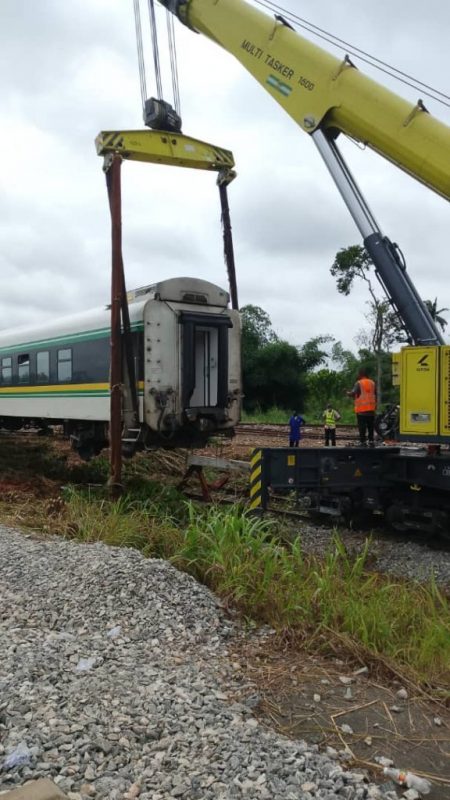
The policy’s multimodal focus is the key issue. By linking road, rail and maritime transport systems, Lagos is positioning freight reform as part of a wider logistics efficiency agenda, not simply as a truck-management exercise. The inclusion of CNG-powered fleets, electronic call-up systems and intelligent transport systems also points to a more structured approach to cleaner, safer and more efficient cargo movement across the state.

The Lagos State Government has begun stakeholder consultations for a Lagos Freight Policy and Regulatory Framework aimed at improving freight efficiency, reducing congestion and supporting economic growth across the state.

The initiative, themed “Smart Freight for a Thriving Lagos”, is funded by the Agence Française de Développement and supported by consultants ITS/FAOCON. It brings together stakeholders from the freight, logistics and transport sectors to identify operational challenges, address overlaps and develop a coordinated regulatory framework for Lagos.

The Commissioner for Transportation, Mr Oluwaseun Osiyemi, said Lagos requires a modern and integrated approach to manage rising freight volumes linked to rapid urbanisation and industrial expansion. The state government is pursuing reforms intended to modernise freight and logistics operations, including the transition to cleaner and safer Compressed Natural Gas-powered trucks, the expansion of multimodal transport infrastructure, and the deployment of technology-led systems such as electronic call-up and intelligent transport systems.

The Lagos Metropolitan Area Transport Authority indicated that the proposed framework is intended to harmonise freight operations and improve coordination among relevant agencies, rather than create additional administrative layers. The state government said the policy will not alter or duplicate the statutory responsibilities of existing federal and state ministries, departments and agencies. Instead, it is designed to reduce institutional bottlenecks, limit operational duplication and strengthen collaboration among stakeholders.

The proposed policy focuses on smarter regulation and innovation to encourage private-sector participation and investment, cleaner freight operations through CNG-powered truck fleets and sustainable practices, and multimodal integration linking road, rail and maritime transport systems to improve cargo movement and reduce traffic congestion.

When completed, the framework is expected to support a freight ecosystem that is safe, efficient, sustainable and investment-friendly, while strengthening Lagos’ position as a leading commercial hub in West Africa.

The engagement forms part of Lagos State’s wider efforts to build a smarter and more resilient transport system capable of supporting long-term economic growth, sustainable urban mobility and the freight needs of one of Africa’s fastest-growing megacities.

Related News Articles