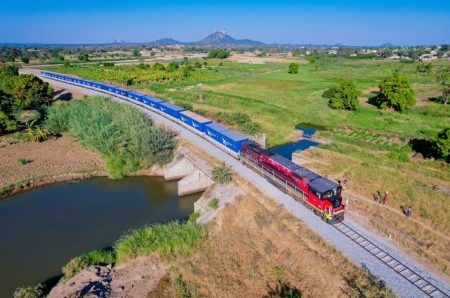
Cabinet approval advances a proposed rehabilitation and operating model for the Congolese section of the Lobito Corridor. The project could strengthen the railway connection between the DRC’s mining regions and Angola’s Port of Lobito, supporting the movement of minerals, industrial cargo and other freight to and from the Atlantic coast.
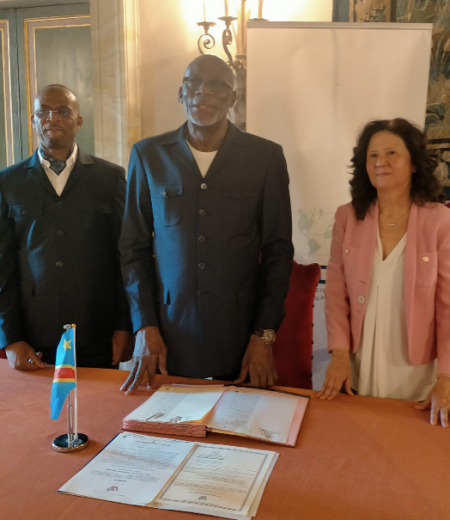
Approval does not represent the start of implementation. The concession agreement must still be formally signed, while potential support from the US International Development Finance Corporation also remains to be finalised.
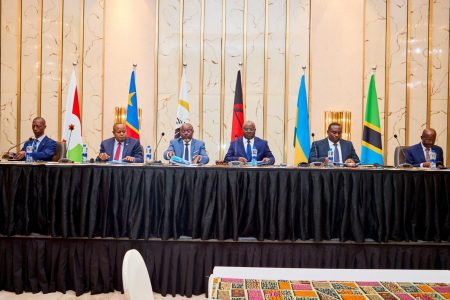
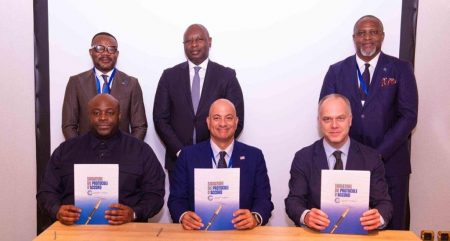
The Democratic Republic of the Congo’s Council of Ministers has approved the proposed public-private partnership with Mota-Engil SA concerning the Dilolo–Kolwezi–Lubumbashi–Sakania railway line, which forms the Congolese component of the Lobito Corridor. The file was considered during the 94th ordinary meeting of the Council of Ministers, chaired by President Félix-Antoine Tshisekedi Tshilombo at the African Union City in Kinshasa on 10 July 2026. The Minister of State for Planning and Coordination of Development Aid presented the proposal on behalf of the Deputy Prime Minister and Minister of Transport, Communication Routes and Rural Development. According to the Council of Ministers’ official record, the project envisages the complete rehabilitation of the Dilolo–Kolwezi–Lubumbashi–Sakania railway line, together with the development of a broader economic ecosystem around the Lobito Corridor. The government expects the project to generate economic, financial, social and geostrategic benefits. The proposed arrangement would enable Mota-Engil to rehabilitate and operate the railway, with the ultimate goal of transferring it back to the state. It would strengthen the rail connection between the DRC’s mining regions and Angola’s Port of Lobito, supporting the movement of minerals, industrial cargo and other freight to and from the Atlantic coast. Official United States Government communications indicate that the final concession agreement must still be signed before implementation can commence, and potential support from the US International Development Finance Corporation can be finalised. The USA’s Bureau of African Affairs hopes that the final signing ceremony will be organised as soon as possible.