UIC and ONCF Forum in Rabat Adopts Declaration on Railway Financing and Launches Carbon Markets Coalition
The Rabat Declaration builds on the Dakar Declaration on the Financing of Rail Projects in Africa of 2023. It encourages wider use of blended finance, public-private partnerships, guarantees, climate and sustainability-linked finance, resilience financing, land value capture and transit-oriented development, alongside stronger project preparation, institutional capacity and investment readiness.
The MoveCredits Coalition aims to strengthen the ability of rail and public transport to access carbon markets, with initial focus on urban mass transit, high-speed rail and the shift of freight from road to rail. A UIC study estimates that rail expansion in low- and middle-income countries could avoid up to 1.8 gigatonnes of CO₂ by 2050.
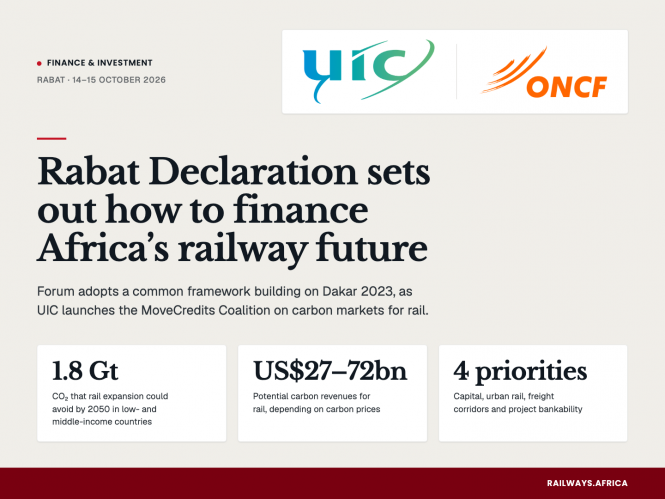
- Four priorities: mobilising capital and innovative financing mechanisms, financing urban rail and sustainable mobility, supporting regional integration and freight corridors, and improving railway project preparation and bankability.
- The Rabat Declaration builds on the Dakar Declaration on the Financing of Rail Projects in Africa, adopted in 2023.
- The MoveCredits Coalition aims to strengthen the ability of rail and public transport to access carbon markets, with initial focus on urban mass transit, high-speed rail and the shift of freight from road to rail.
- A UIC study estimates that rail expansion in low- and middle-income countries could avoid up to 1.8 gigatonnes of CO₂ by 2050, with potential carbon revenues of US$27 billion to US$72 billion depending on carbon prices.
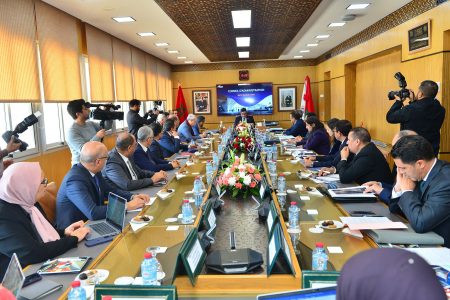
The International Union of Railways (UIC) and the Office National des Chemins de Fer (ONCF) concluded the Investment and Financing Solutions for Africa’s Railway Future Forum in Rabat on 15 October 2026, with participants adopting the Rabat Declaration and UIC launching the MoveCredits Coalition on Carbon Markets for Rail and Public Transport.
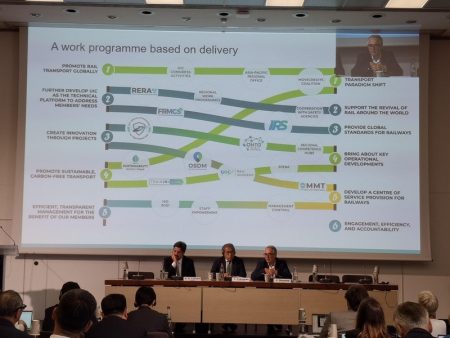
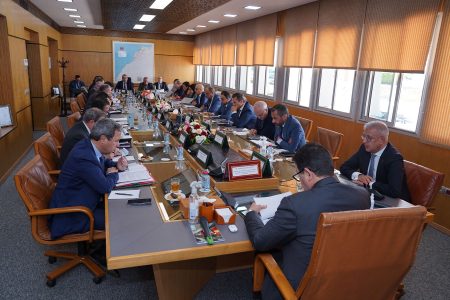
The forum, held on 14 and 15 October, brought together senior representatives from African and international institutions, railway organisations, development finance institutions, multilateral development banks, private investors and industry to address how to mobilise the investment needed to accelerate railway development across Africa.
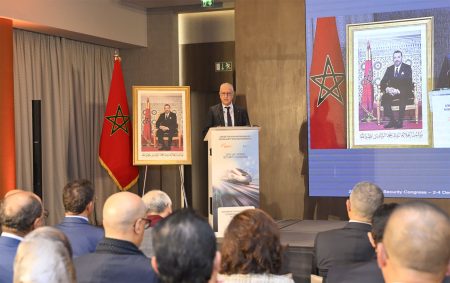
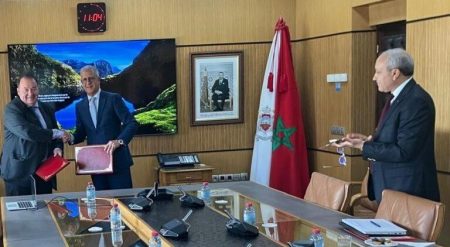
The opening session featured Mohamed Rabie Khlie, chief executive of ONCF, and François Davenne, director general of UIC, together with representatives of the Infrastructure and Energy Department of the African Union Commission, AUDA-NEPAD and the Moroccan authorities.
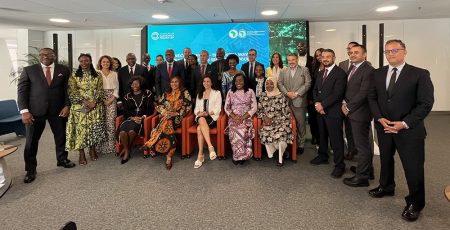
Participants included representatives of the African Development Bank (AfDB), World Bank, European Investment Bank (EIB), European Bank for Reconstruction and Development (EBRD), KfW, JICA, UKEF, SACE, the African Union Commission, AUDA-NEPAD, UITP and the Rail Working Group, as well as railway operators and other public and private stakeholders. They examined approaches to strengthening investment in rail infrastructure and services.
The forum focused on four priorities: mobilising capital and innovative financing mechanisms; financing urban rail and sustainable mobility; supporting regional integration and freight corridors; and improving railway project preparation and bankability.
The Rabat Declaration
At the close of the forum, participants adopted the Rabat Declaration on Investment and Financing Solutions for Africa’s Railway Future, which builds on the Dakar Declaration on the Financing of Rail Projects in Africa, adopted in 2023.
The Declaration reaffirms the importance of rail for sustainable economic growth, regional integration, resilient supply chains, climate action and inclusive development, and calls for stronger cooperation between African stakeholders, development finance institutions, multilateral development banks, private investors, industry and international organisations.
It encourages wider use of blended finance, public-private partnerships, guarantees, climate and sustainability-linked finance, resilience financing, land value capture, transit-oriented development and other innovative financing mechanisms, while emphasising the need to strengthen project preparation, institutional capacity and investment readiness.
The Declaration also calls for rail and public transport to be better integrated into climate finance frameworks, Nationally Determined Contributions and National Adaptation Plans, and recognises the opportunities presented by Article 6 of the Paris Agreement and other carbon market mechanisms.
“Africa's railway future requires more than ambition. It requires projects that are well prepared, financeable and supported by appropriate long-term financing mechanisms. The Rabat Declaration provides a common framework for moving from dialogue to implementation and strengthening cooperation among all those who can contribute to Africa's railway development,” said François Davenne, Director General of UIC.
UIC Launches the MoveCredits Coalition
UIC launched the MoveCredits Coalition on Carbon Markets for Rail and Public Transport at the forum. The coalition brings together railway and public transport operators, industry, financial institutions, multilateral development banks, development finance institutions, governments, technical experts, academia and international organisations.
Its objective is to strengthen the ability of rail and public transport to access carbon markets and mobilise additional sources of finance for sustainable transport investment.
The coalition will work to support the development of practical and credible carbon market methodologies for rail and public transport, facilitate knowledge sharing and technical cooperation, build capacity among stakeholders, support pilot initiatives and practical applications, and advocate for greater recognition of sustainable transport within international climate finance and carbon market frameworks.
The initial areas of focus include urban mass transit, high-speed rail and the shift of freight from road to rail, with particular attention to recognising the emissions reductions associated with modal shift.
The initiative builds on work undertaken by UIC with partners including UITP and Alstom, and will now expand its cooperation with a broader range of railway, financial, technical and institutional stakeholders.
Carbon Markets and Rail Financing
UIC says rail projects require substantial upfront investment, while many of their economic, environmental and resilience benefits accrue over decades and are not fully reflected in conventional transport financing models. It says carbon markets could provide one additional mechanism for addressing this by creating revenue streams linked to verified future emissions reductions.
A UIC study estimates that rail expansion in low- and middle-income countries could avoid up to 1.8 gigatonnes of CO₂ by 2050, with potential carbon revenues estimated at US$27 billion to US$72 billion, depending on carbon prices.
The Rabat Declaration recognises the potential for high-integrity carbon credits generated through activities such as modal shift, electrification and renewable energy generation to contribute to the financing of rail and public transport projects.
UIC says that, under appropriate market and project conditions, and where future carbon revenues can be effectively capitalised at financial close, such revenues could potentially make a meaningful contribution to project capital costs. It adds that further technical work will be required to establish the methodologies, market conditions and project frameworks needed to realise this potential.
From Dialogue to Implementation
The forum builds on the commitments made in Dakar in 2023. The Rabat Declaration calls on African stakeholders, development finance institutions, multilateral development banks, private investors, industry and international organisations to translate the outcomes of the forum into concrete partnerships, investment opportunities and practical actions.
UIC says the launch of the MoveCredits Coalition provides a new international platform through which stakeholders can contribute to this implementation agenda, particularly on financing opportunities at the intersection of rail, climate action and carbon markets.