The Central Corridor’s development links railway investment with the agricultural, mining and industrial activity expected to generate freight. Integrating rail with road haulage, logistics facilities and the Port of Dar es Salaam is intended to improve efficiency and make the infrastructure more attractive to investors and funders.
For Burundi, the railway connection would provide access to international markets for Musongati’s nickel and cobalt production while supporting agricultural and transit trade. The planned private-sector assessment will examine investment opportunities and whether the infrastructure matches these transport needs.
- Tanzania’s SGR programme comprises seven sections. The first two, linking Dar es Salaam and Dodoma, are operational.
- Work continues on sections three to six towards Tabora, Mwanza and Kigoma.
- The Central Corridor approach integrates rail, roads, logistics facilities and the Port of Dar es Salaam.
- Burundi’s agricultural trade and Musongati nickel and cobalt production are among the activities the corridor is intended to support.
- The World Bank and regional partners plan a private-sector assessment to identify investment opportunities and align infrastructure with economic needs.
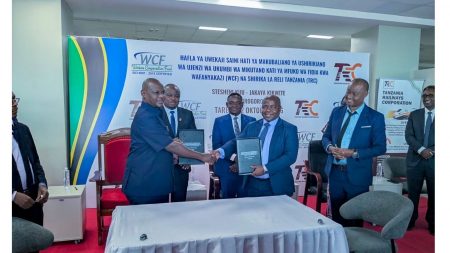
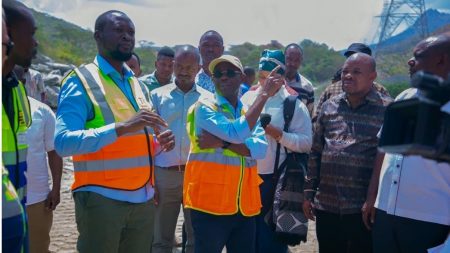
Tanzania, Burundi and the World Bank have held discussions on accelerating development of the Central Corridor, with a focus on integrating the standard-gauge railway (SGR), the Port of Dar es Salaam and investment in agriculture, mining and industry.
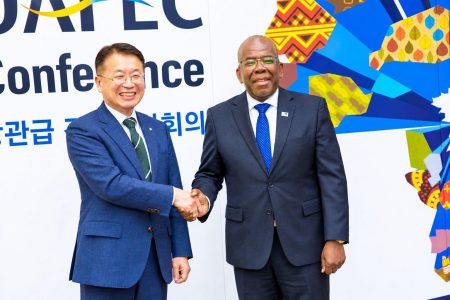
The meeting, held on the sidelines of the IMF and World Bank Group Annual Meetings in Bangkok, Thailand, examined the corridor’s development from a transport route into an integrated economic corridor.
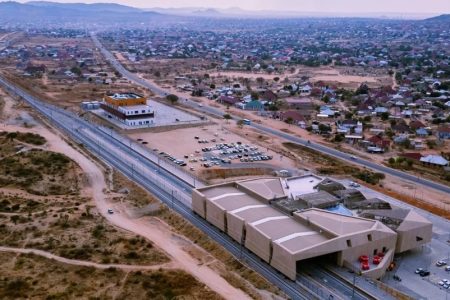
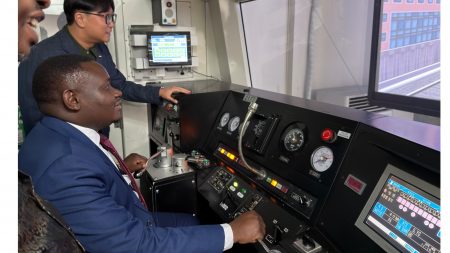
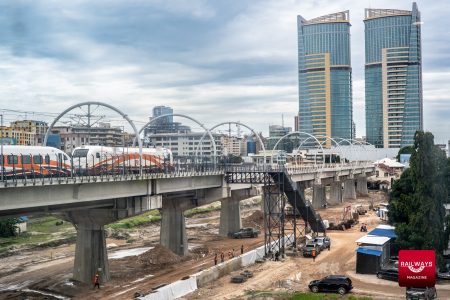
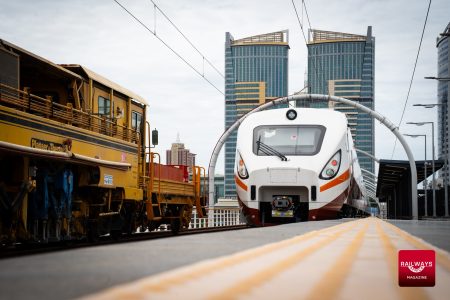
Tanzania’s SGR programme comprises seven sections. The first two, connecting Dar es Salaam and Dodoma, are operational. Work continues on sections three to six, extending the network towards Tabora, Mwanza and ultimately Kigoma, near the Burundi border.
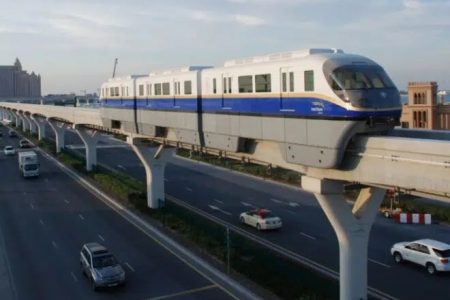
The corridor approach includes connecting the railway with roads and transport and logistics facilities. Rather than replacing road freight entirely, the proposed system would use lorries to deliver cargo to the railway, improving the efficiency and commercial viability of the wider transport network.
Cooperation between Tanzania, Burundi, the Democratic Republic of Congo, the World Bank and other development partners forms part of the approach to implementing the project.
For Burundi, the corridor is intended to support agricultural development and facilitate goods moving through the country to other destinations. The railway connection would also support nickel and cobalt production at Musongati by providing a route to international markets.
The World Bank expressed support for the project during the discussions. A private-sector assessment is planned with regional partners to identify investment opportunities and ensure that railway infrastructure corresponds with the region’s economic activity and transport requirements.
The Central Corridor is being developed as a long-term, phased programme linking the Indian Ocean with Africa’s interior, with objectives that include expanding trade, creating employment and supporting sustainable development.