By naming electrified railway, its infrastructure and related research and development as eligible green expenditure, the framework gives Tanzania a recognised route to raise green and sustainability debt, including Sukuk, against rail investment. With S&P Global Ratings confirming alignment with ICMA and Loan Market Association principles, instruments issued under it are structured to the standards that sustainable-finance investors look for.
- Tanzania's Ministry of Finance has established the country's first sovereign Sustainable Finance Framework.
- The framework allows green, social, sustainability and other ESG thematic bonds, Sukuk, loans and other debt instruments to be issued.
- Electrified railway, related infrastructure and research and development are eligible under the Clean Transportation category.
- The framework covers 10 green and six social project categories.
- S&P Global Ratings provided the Second Party Opinion, and Standard Chartered Bank was sole sustainability structuring bank.
- Eligible expenditure can date from up to three fiscal years before an issuance or up to two fiscal years after it.
Tanzania's Ministry of Finance has established the country's first sovereign Sustainable Finance Framework, under which the government can issue green, social, sustainability and other ESG thematic bonds, Sukuk, loans and other debt instruments. Electrified railway, together with related infrastructure and research and development, is among the project types the framework lists as eligible for green financing.
According to the ministry, proceeds raised under the framework will be earmarked to finance or refinance eligible government expenditure that delivers environmental and social benefits. The framework sets out 10 green and six social project categories, with the ministry listing areas including renewable energy, energy efficiency, biodiversity conservation, climate change adaptation, employment generation, access to essential services and food security.
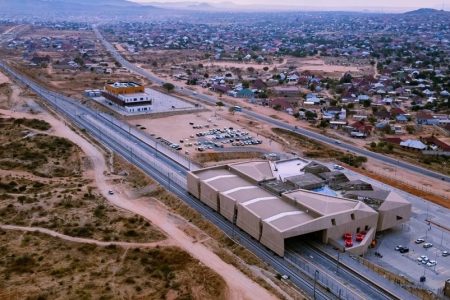
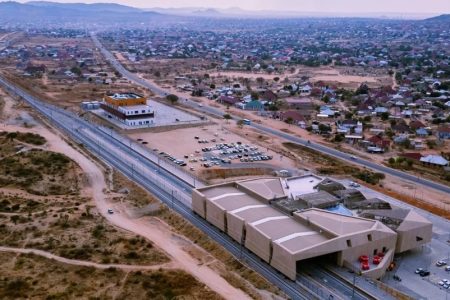
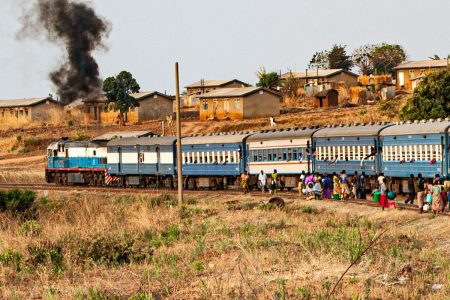
Rail falls within the Clean Transportation category, alongside zero tailpipe emission passenger, freight and public transport, cycling and walking infrastructure, electric and wind-powered vessels, and electrified port equipment such as cranes, forklifts and reach stackers. The transportation of fossil fuels is excluded. In its opening section, the framework names the start of passenger services on the Dar es Salaam–Morogoro–Dodoma standard gauge railway (SGR) among the developments that have supported the resilience of Tanzania's economy.
The instruments can be issued by the Ministry of Finance on behalf of the government, and by local government authorities and state-owned entities. Eligible expenditure must fall no earlier than three fiscal years before an issuance or within two fiscal years after it. Projects co-financed with other parties count only for the government's share, and projects previously financed by other multilateral financial institutions are excluded to avoid double counting of their environmental or social impact.
S&P Global Ratings has provided a Second Party Opinion confirming the framework's alignment with the International Capital Market Association's Green Bond Principles, Social Bond Principles and Sustainability Bond Guidelines, and with the Loan Market Association's Green and Social Loan Principles, the ministry said. Standard Chartered Bank acted as sole sustainability structuring bank.
The government has committed to report on the allocation of proceeds and their impact within a year of each issuance and annually until the proceeds are fully allocated, with a third-party verifier checking the allocation. For Clean Transportation, the impact indicators include the length and type of clean transport infrastructure built and the annual greenhouse gas emissions reduced or avoided.
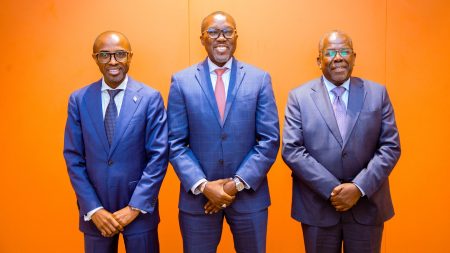
Ambassador Khamis Mussa Omar, Tanzania's Minister of Finance, said the framework's launch was a pivotal step in the country's transition towards a more inclusive and low-carbon economy. By aligning the sovereign funding strategy with national climate and social strategies, he said, the government is channelling capital to critical infrastructure, clean energy and programmes that directly improve citizens' livelihoods.