Rail Sector Positioned for Major Role as Botswana Pursues Transport-Led Growth

Why it Matters

  • Botswana aims to scale national freight volumes from just over one million tonnes in 2024 to 23 million tonnes by 2036, placing rail at the centre of its economic transformation strategy.
  • Proposed rail corridors and mineral-freight routes support the country’s diversification goal to raise non-diamond mineral exports from 22 percent to 50 percent by 2036.
  • Integrated transport infrastructure under the BETP strengthens Botswana’s position as a regional logistics gateway, enhancing competitiveness across north–south and east–west trade flows.
  • Rail concessions opportunities structured through PPPs.
Rail Sector Positioned for Major Role as Botswana Pursues Transport-Led Growth
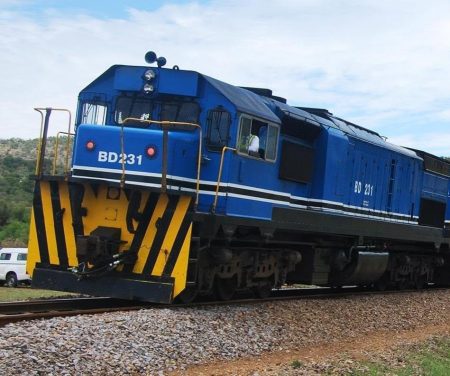
Photo © Railways Africa // Craig Dean

Botswana is placing renewed emphasis on reviving and expanding its rail network to support economic diversification and unlock regional trade opportunities. Under the Botswana Economic Transformation Programme (BETP), rail transport has been identified as a critical enabler for reducing logistics costs, boosting exports, and facilitating large-scale industrial development.

Historically, Botswana Railways (BR) has battled ageing infrastructure, limited cargo capacity, and competition from road transport. However, with the country aiming to increase national freight throughput from just over one million tonnes in 2024 to 23 million tonnes by 2036, rail is expected to shoulder much of this expansion.

Key infrastructure initiatives include the development of new rail corridors and the upgrading of existing lines to support heavier loads and faster transit times. Proposed enhancements also include dedicated mineral freight corridors, reflecting Botswana’s ambition to raise the share of non-diamond mineral exports from 22% to 50% by 2036. Major mining operations, including coal, copper, and industrial minerals, rely heavily on efficient bulk transport, making rail a strategic priority.

Legislative reforms are also being considered to modernise rail operations. A proposed amendment to the Botswana Railways Act aims to introduce hazardous cargo regulations aligned with international standards, improving the safe transport of liquefied petroleum gas (LPG) and other dangerous goods. This move is expected to enhance investor confidence and attract private operators into the sector.

Industrial zones and economic hubs planned under the BETP will depend heavily on rail connectivity. The programme targets the construction and upgrading of 1475 km of highways and border-post access roads by 2036, complemented by rail expansions designed to reduce transport bottlenecks. Improved intermodal logistics, integrating road, rail, and warehousing, will make Botswana more competitive as a transit and export platform.

The rail sector’s growth also forms part of Botswana’s broader ambition to position itself as a regional logistics gateway. With neighbouring countries such as Zambia, Namibia, and South Africa expanding their own corridors, regional integration offers significant opportunity. Botswana’s central location makes it a natural connector for north–south and east–west trade flows.

While financing remains a major hurdle, the BETP’s ‘Making the Most’ investment pipeline prioritises transport infrastructure as a catalyst for job creation and private-sector growth. Successful execution could see rail emerge as one of Botswana’s most transformative assets over the next decade.

The report noted LPG imports and domestic distribution are increasing (Botswana consumes 50,000 to 70,000 tonnes annually, 90% imported), yet transport safety standards remain fragmented. Recent rail incidents in neighbouring countries involving hazardous cargo highlight the risks of outdated standards, the report noted.

Botswana currently relies on generic rail safety rules without LPG-specific requirements, which raises the risk of derailments, leaks and explosions. The International Maritime Dangerous Goods Code provides a globally recognised framework for classification, yet these standards are not fully reflected in Botswana’s rail legislation.

The report also noted that rail concessions structured through PPPs would allow the government to unlock new infrastructure while shifting financing and construction responsibilities to the private sector.

Footnote

Written for Railways Africa by Chamwe Kaira

Related News Articles