This regulatory framework represents Sierra Leone formalising oversight of its railway sector as it weighs new infrastructure investment alongside its established mining railway concessions. SLRDRA's establishment under the 2025 Act marks a shift toward independent regulatory oversight, separating licensing, safety and technical-standards functions from operational concession holders.
The identification of the Tonkolili North Kasafoni–Banana Island Mines–Port Railway Project as a prospective development, among other proposed railway projects, places the framework directly ahead of anticipated pit-to-port investment decisions, suggesting SLRDRA is positioning the regulatory architecture to be in place before new infrastructure proposals reach financing or construction stages. The framework's progression, requiring Cabinet approval and parliamentary ratification, will determine how quickly Sierra Leone can offer prospective railway developers and financiers a settled legal and technical basis for new concessions and infrastructure investment.
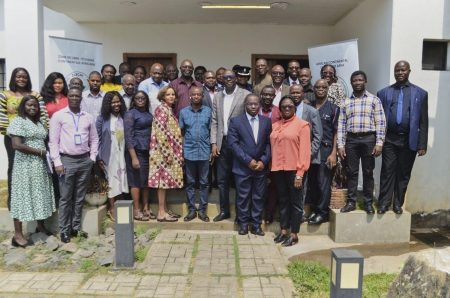
The Sierra Leone Railways Development and Regulatory Authority (SLRDRA) held a stakeholder consultation on 23 July to review a proposed three-volume regulatory framework for the country's railway sector.
The draft regulations cover railway licensing, safety, technical standards, operations, planning and environmental compliance. Following the consultation, SLRDRA is expected to incorporate stakeholders' recommendations before submitting the framework to the Minister of Transport and Aviation. The proposed regulations would then require Cabinet approval before being laid before Parliament for ratification.
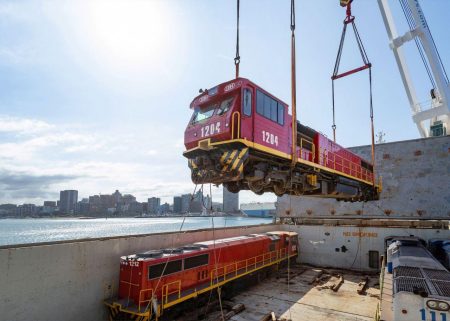
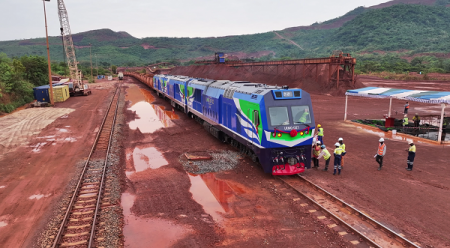
Sierra Leone is developing the framework as it considers new railway infrastructure alongside its existing mining railway concessions. Among the prospective developments identified by SLRDRA is the proposed Mines–Port Railway Project between Tonkolili North Kasafoni and Banana Island.
The first volume addresses SLRDRA's regulatory mandate, railway safety, compliance and enforcement. According to the Authority, SLRDRA was established in April 2025 under the Sierra Leone Railway Development Act and is responsible for licensing operators, regulating railway and cable car services, investigating incidents and enforcing compliance.
A second volume sets out proposed technical and operational requirements for railway operators, infrastructure managers and contractors. SLRDRA said these provisions draw on internationally recognised railway standards.
The third volume covers railway planning, licensing, data management, infrastructure development and the responsibilities of institutions involved in the sector. Related environmental provisions include environmental impact assessments, coordination with Sierra Leone's Environmental Protection Agency, emergency preparedness and enforcement measures.
Railway operators and government departments participated in the review. Kingho Rail and Port addressed the framework's implications for freight operations and private-sector participation, while representatives of the Office of the Attorney General and Minister of Justice considered whether the proposed regulations were consistent with Sierra Leonean law.
The Ministry of Lands, Housing and Country Planning identified land acquisition, railway rights of way, physical planning and encroachment along railway corridors as matters requiring coordination between the Ministry and SLRDRA.